
Understanding the Patient Experience of Proximal Hamstring Tendinopathy

Proximal hamstring tendinopathy (PHT) is often a persistent condition, with some cases continuing for years. A recent randomised control trial with 100 participants (1) reported a mean symptom duration around the two-year mark. In my own research work I have encountered a lady reporting a 26-year history.
Coupled with the longevity of symptoms is the uncertainty on the prognosis. Even in the earlier stages of the condition, a patient with PHT symptoms that have plateaued for a while will often start to question whether the condition will ever go away and whether they’ll be able to return to their goal activities.
In my research, many participants have reported psychosocial impacts, the majority of which are rooted in this persistence and uncertainty.
This blog will draw upon my experiences as a clinician and researcher working with people with PHT, and will focus on the impacts of proximal hamstring tendinopathy. We recently published a systematic review (2) examining how patients experience lower limb tendinopathy broadly, and we are in the process of journal submission with a primary qualitative study specifically delving into patients’ experiences with PHT. We’ll explore patient perspectives on the condition and consider strategies we can use as clinicians to guide patients through this tricky management process.

Guest Post:
This month, we have our next guest blog from Max Hopes, an osteopath, strength & conditioning coach and PhD candidate whose research focuses on proximal hamstring tendinopathy in runners. Max brings a runner's perspective to this topic, drawing on his own experience racing marathons and half-marathons alongside his clinical and academic work. Max has also presented a masterclass for our membership on this topic. You can read more about Max at the end of this blog, and find out more about Hip Academy and our masterclasses below.
This blog will cover the following topics:
-
Functional impacts of Proximal Hamstring Tendinopathy
-
Psychosocial impacts of Proximal Hamstring Tendinopathy
-
Patient experiences with treatment/management of Proximal Hamstring Tendinopathy
-
How we can use this information to guide better management
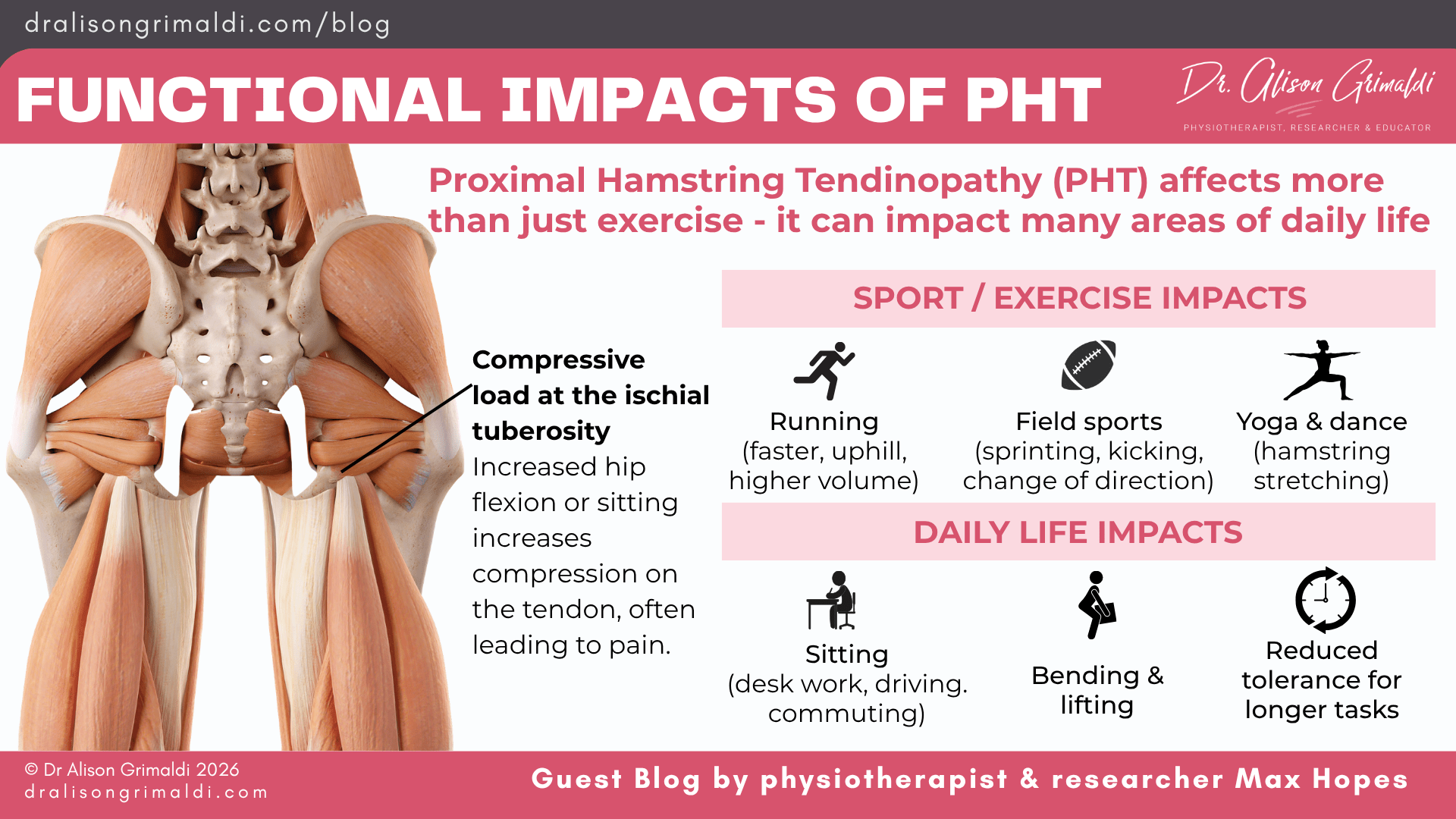
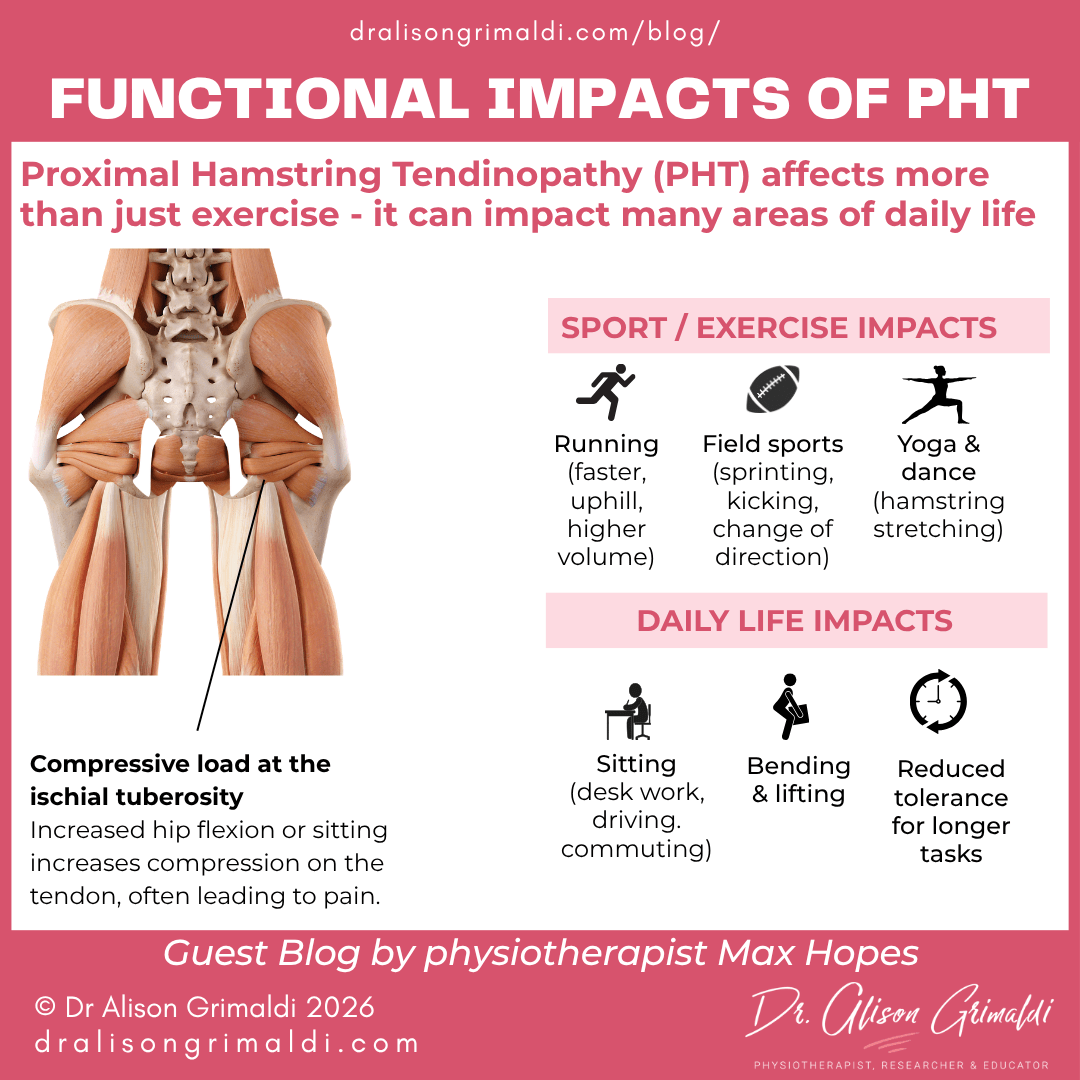
Functional impacts of Proximal Hamstring Tendinopathy
Firstly, let’s take a look at the ways patients’ function is affected, both in sport/exercise and more generally in their day-to-day lives.
Impact on sport and exercise
Proximal hamstring tendinopathy is common in runners, with prevalence up to 12% reported (3). Patients I have encountered in my clinical and research work often report pain worst with faster running and uphill training. Runners are often able to continue with easier paced running, often with reduced weekly volume – but they are frequently frustrated that their hamstring tendon feels like the factor limiting their performance, as opposed to being able to truly push their fitness or performance to the limits.
Other commonly represented activities include field-based sports such as Australian Rules Football, with the combination of high running loads, sprinting, and kicking often cited as potential factors leading to risk of PHT (4). Yoga and dance, with the strong hamstring stretching involved, are other activities that patients often report are painful or limited.
Impact on activities of daily living
The impacts of PHT extend beyond exercise and into activities of daily living. This is maybe most notable with sitting – desk bound work and driving can become extremely problematic for some patients. I’ve seen some patients really struggle with this side of the condition, for example when needing to do a longer commute in the car each day for work. Sitting limitations can also impose substantial limitations on social interactions. Bending and lifting are other day-to-day functions that can become issues.
Understanding compressive load
With many of these functional impacts, compressive load is a key concept to understand. This is the reason why loading or stretching the hamstrings into positions of hip flexion, as well as sitting is often painful. Compressive load relates to the way the proximal hamstring tendons wrap around the ischial tuberosity at their attachment site. As the hip is flexed, the tendon is pulled in to the bone. This is a normal process that occurs in healthy people, but when the tendon is irritated it tends to be very sensitive.

Want to learn more about proximal hamstring tendinopathy and other complex hip and buttock presentations?
Max recently presented live for Hip Academy on the topic of Proximal Hamstring Tendinopathy. The recording is now available for Hip Academy members, alongside a growing library of case-based discussions and clinical reasoning resources from our Brains Trust of experienced clinicians and researchers. Proximal Hamstring Tendinopathy is also covered in more depth in our Lateral Hip and Buttock Pain courses and workshops.
If you'd like to benefit from this knowledge, get started today with a Hip Academy membership.
Psychosocial impacts of Proximal Hamstring Tendinopathy
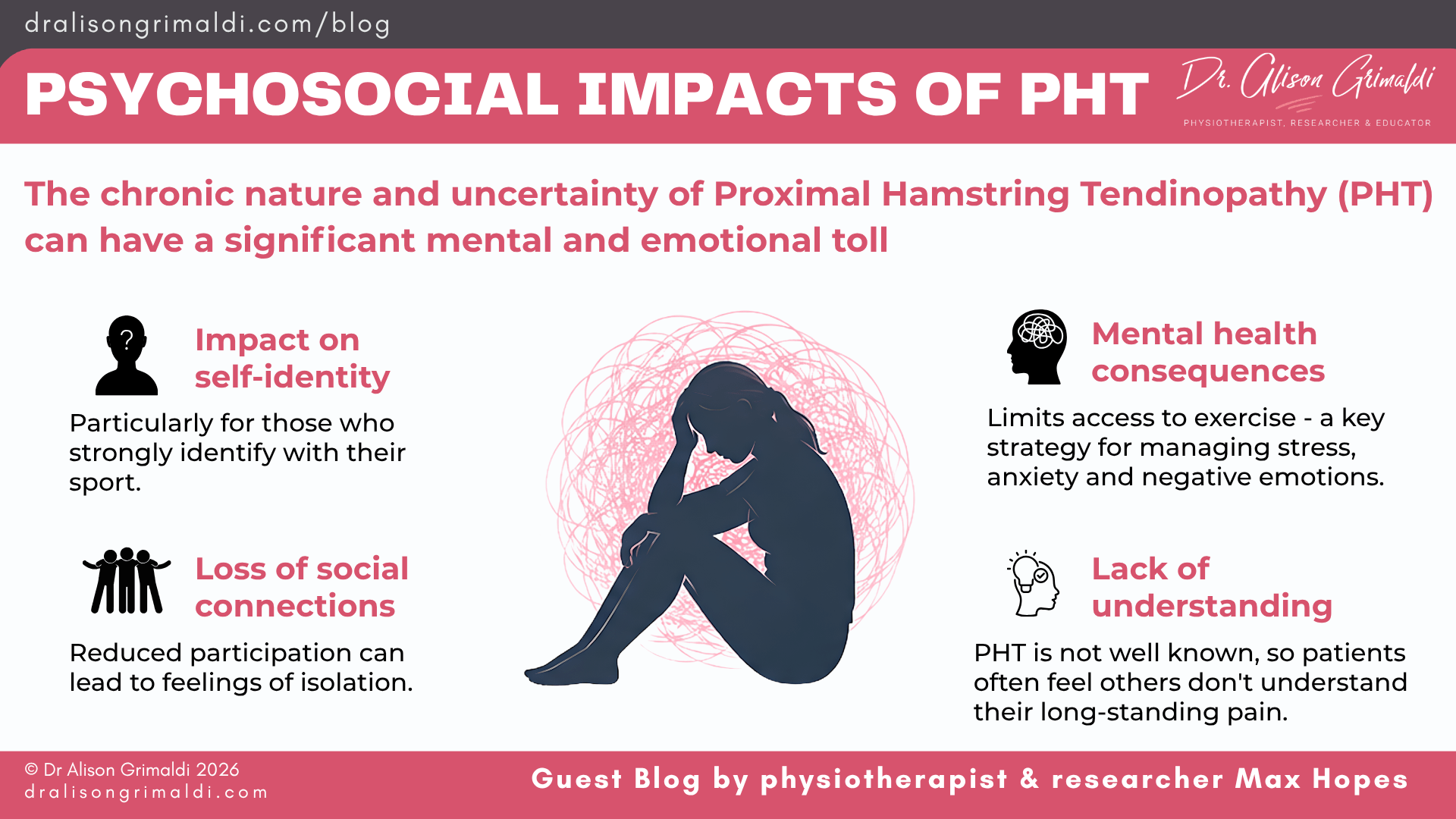
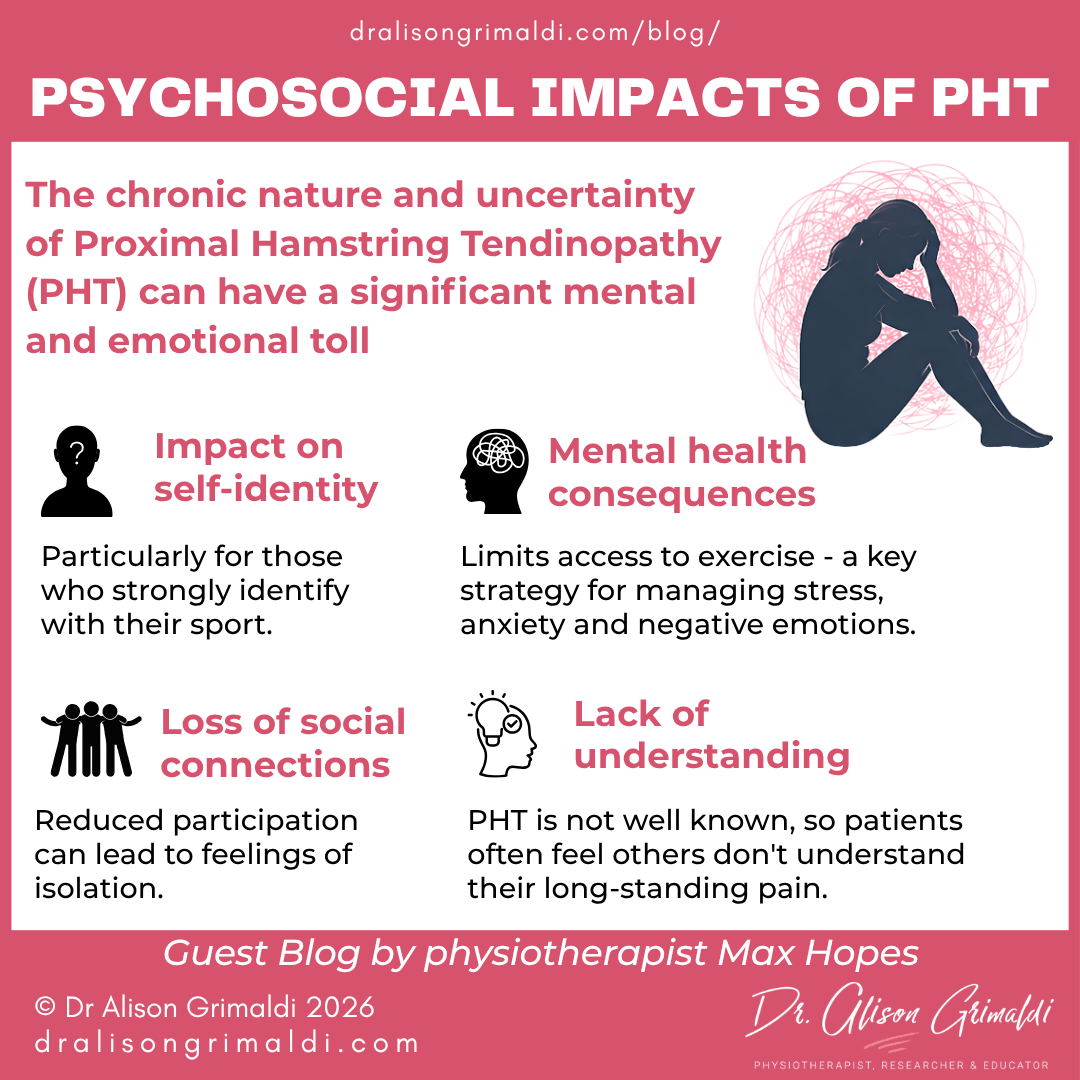
Many of the psychosocial impacts of PHT are rooted in the chronicity and unclear prognosis, then intertwined with the functional limitations we have just discussed. This can lead to depression and negativity about the future in some patients. These effects vary widely between individuals. In this section, we’ll explore some themes that have presented in my qualitative research so far.
Identity and social connection
Impacts on self-identity are evident, particularly in people who have close identity ties to their sport. For example, runners who take pride in being known as the person who runs fast or does lots of events. The reduction in participation also leads to lost social connections – in today’s busy society, sports clubs/dance classes etc often form a key social pillar in people’s week, losing this consistent engagement can lead to feelings of isolation.
Exercise as a mental health outlet
We know that exercise is positive for mental health and is a core strategy for managing stress, anxiety and negative emotions for many people (6). Having this tool heavily impacted by injury can lead to a cascade of negative psychological consequences. It’s crucial that we support our patients and look for ways to keep them active in other ways if their preferred form of exercise is not fully possible.
Feeling misunderstood
Some patients struggle with the fact that proximal hamstring tendinopathy is not necessarily a well-known condition among the general public and in their peer groups, leading to feelings of alienation. Participants in my research cited examples of when they tried to explain the condition to their friends and family, who seemed confused why they were complaining of such long standing symptoms in their hamstrings – they felt that when they mentioned the word “hamstrings”, people assumed it must just be a muscle strain or some tightness. This theme may be a little more unique to PHT than some of the more common lower limb tendinopathies such as Achilles tendinopathy.
Patient experiences with treatment/management
Both my systematic review (looking at lower limb tendinopathy broadly) and my primary study specifically on proximal hamstring tendinopathy, looked at how patients perceive the treatment processes that they’ve been through. Getting this direct and honest “feedback” from patients is not something we always get, but is crucial for us to reflect and improve on our practice.
The role of therapeutic alliance
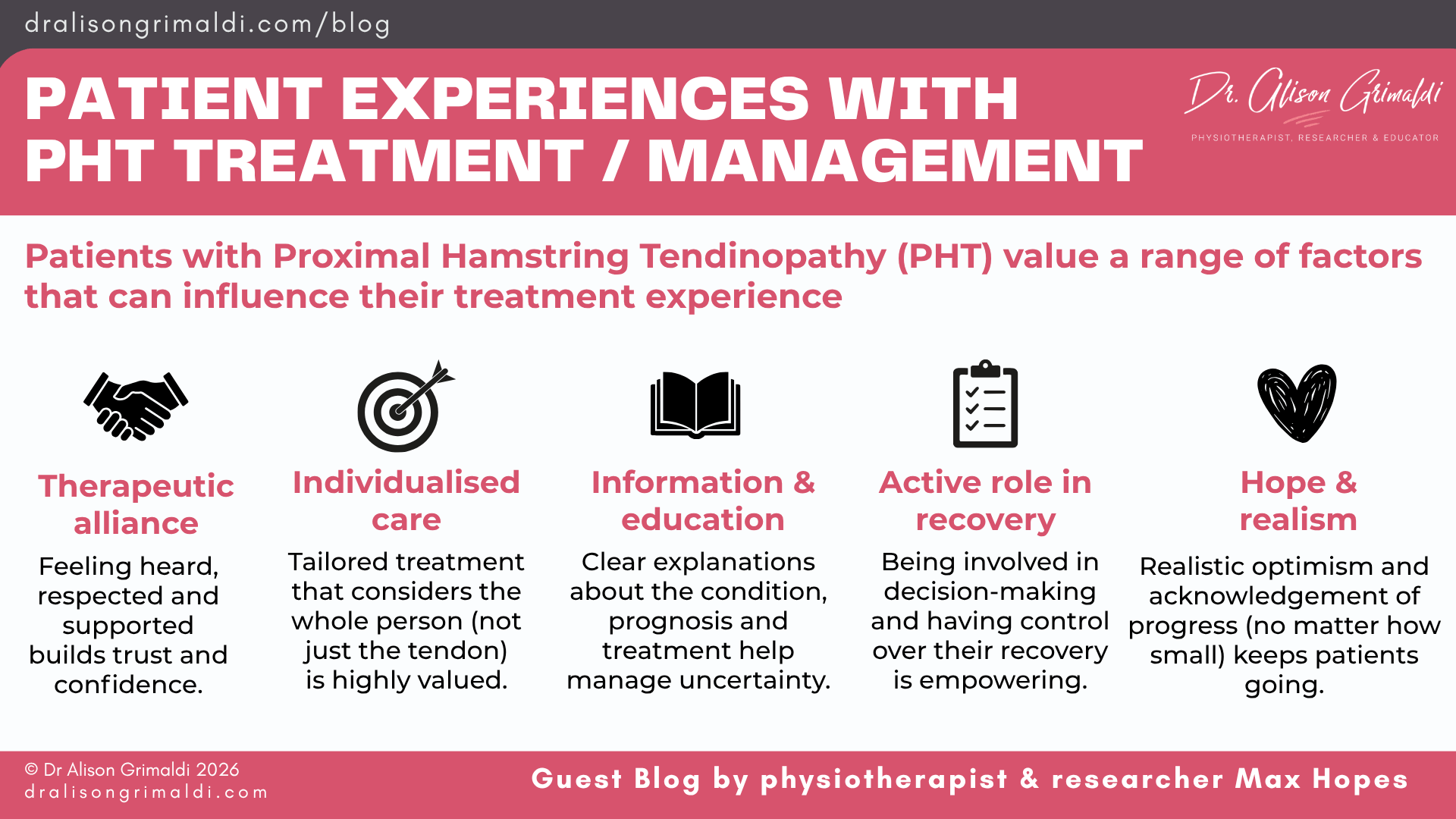
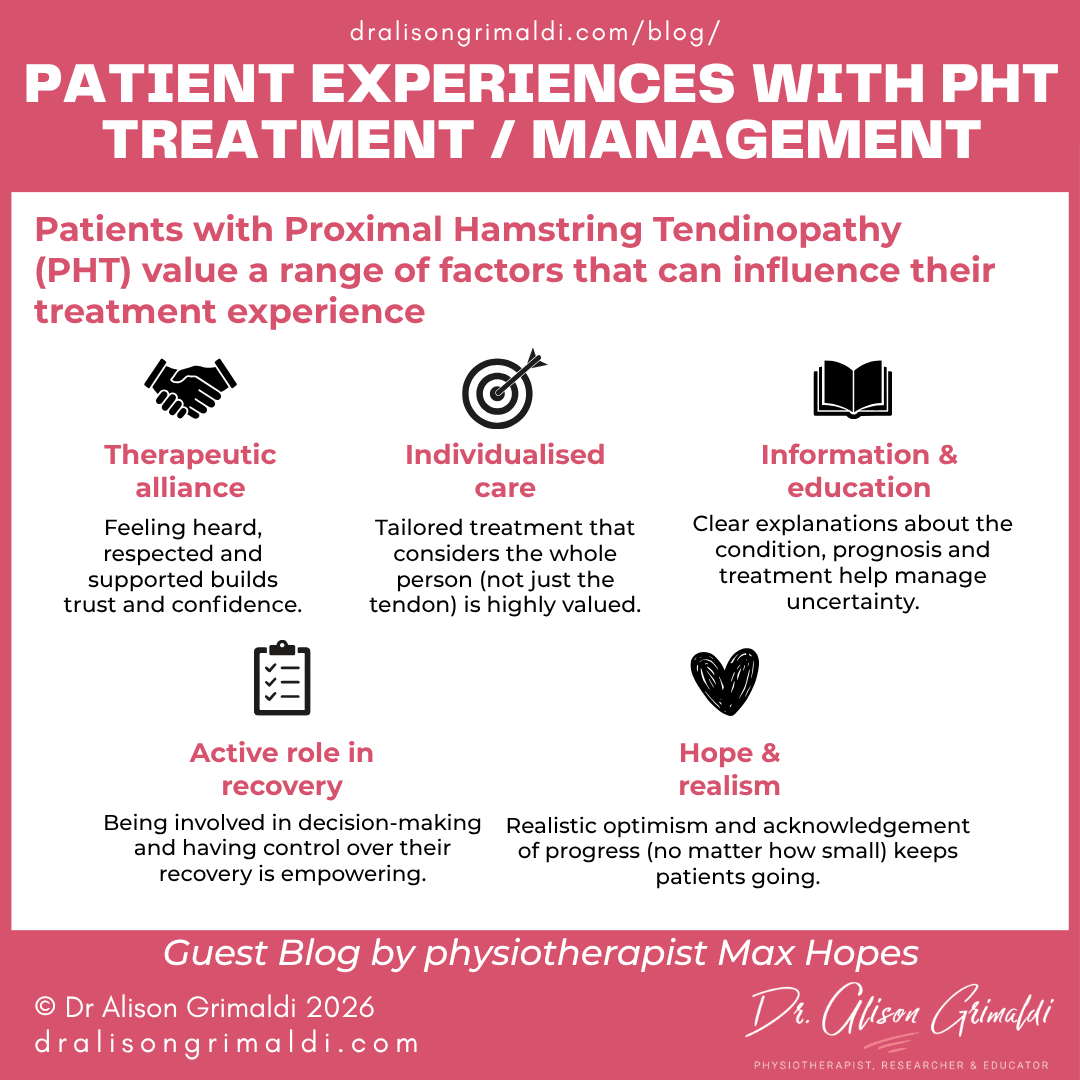
The biggest factor in whether treatment was perceived positively or negatively overall was the strength of the therapeutic alliance that clinicians were able to form with their patients. This is echoed in broader research which shows that therapeutic alliance has a bearing on treatment outcomes in musculoskeletal pain (7). In my research, good therapeutic alliances were characterised by clinicians giving adequate time to patients, demonstrating strong communication and education, and being a person in the patients “corner” for support and accountability. These attributes were reported in many positive patient experiences, while the other side of the coin was evident in some patient stories; such as one patient who said they felt it would be easier to send their tendon to the appointment without them – this really is the antithesis of patient centred care.
Understanding the "why" behind treatment
When patients found adhering to load management or rehabilitation advice difficult, it often seemed that part of the reason was that they hadn’t received clear information explaining the underlying reasons behind the suggested interventions. For example, some found it hard to understand why they were being asked to do exercises that specifically load the tendon, when the tendon is currently “damaged” – surely this will just make it worse? The burden of committing to a frequent, and long-term exercise plan was a struggle for lots of patients. This is consistent with other research that has shown adherence rates in tendinopathy rehab plans is low (8).
Gaps in understanding causes and diagnosis
This lack of understanding behind treatment rationale extended to patients’ knowledge regarding causes and diagnosis – many were unclear on what was going on and what may have caused it, despite having seen multiple healthcare professionals. Once again, this highlights that in many cases we aren’t doing a good enough job of helping people to truly understand the condition, and how to go about the treatment process.
How we can use this information to guide better management of proximal hamstring tendinopathy
So far, I’ve raised lots of problems, without really delving into strategies to combat the issues that patients face with PHT. Let’s now tie everything together and look at how we can be best equipped to help people with this persistent condition.
Empathy and understanding the patient experience
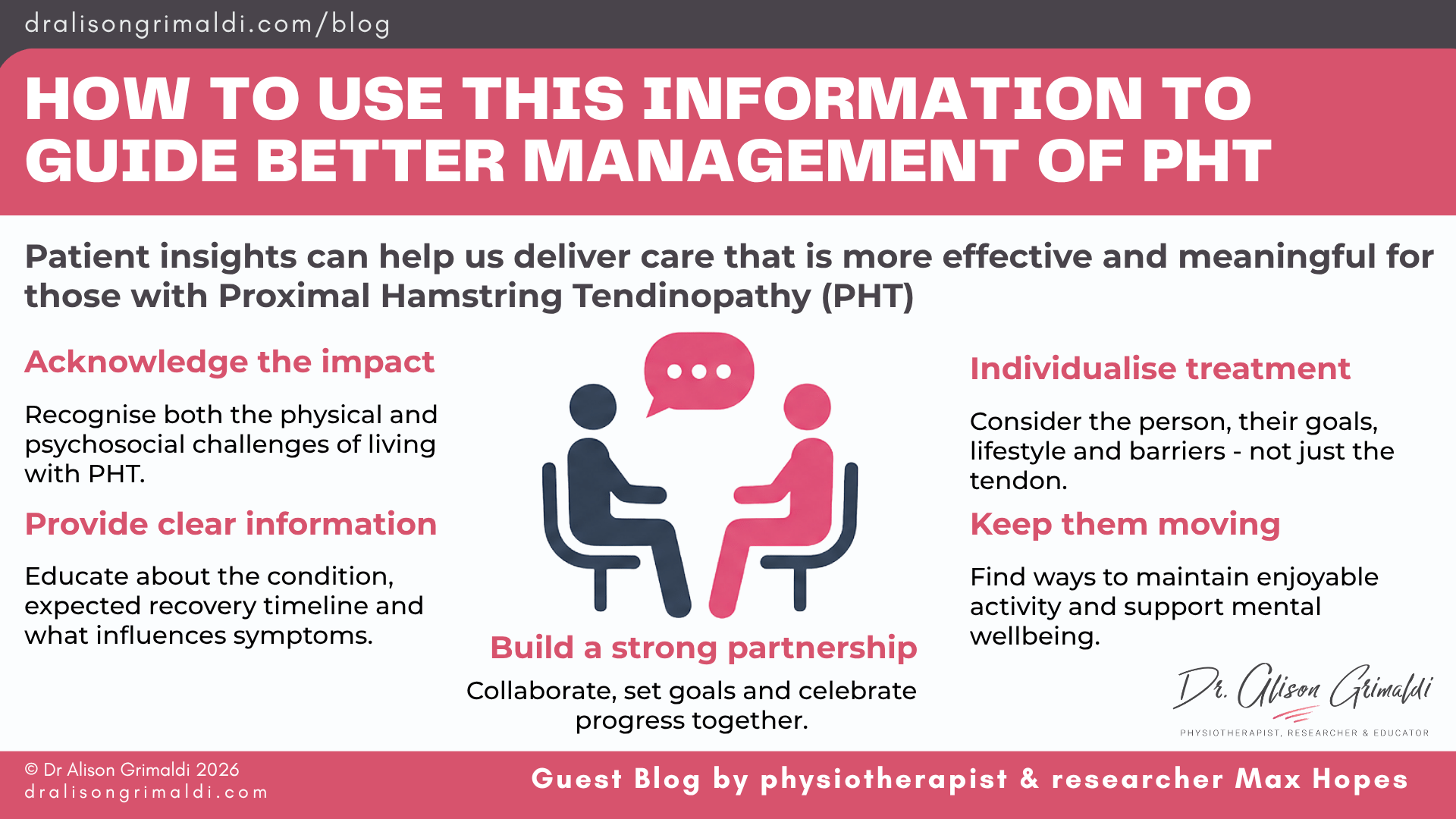
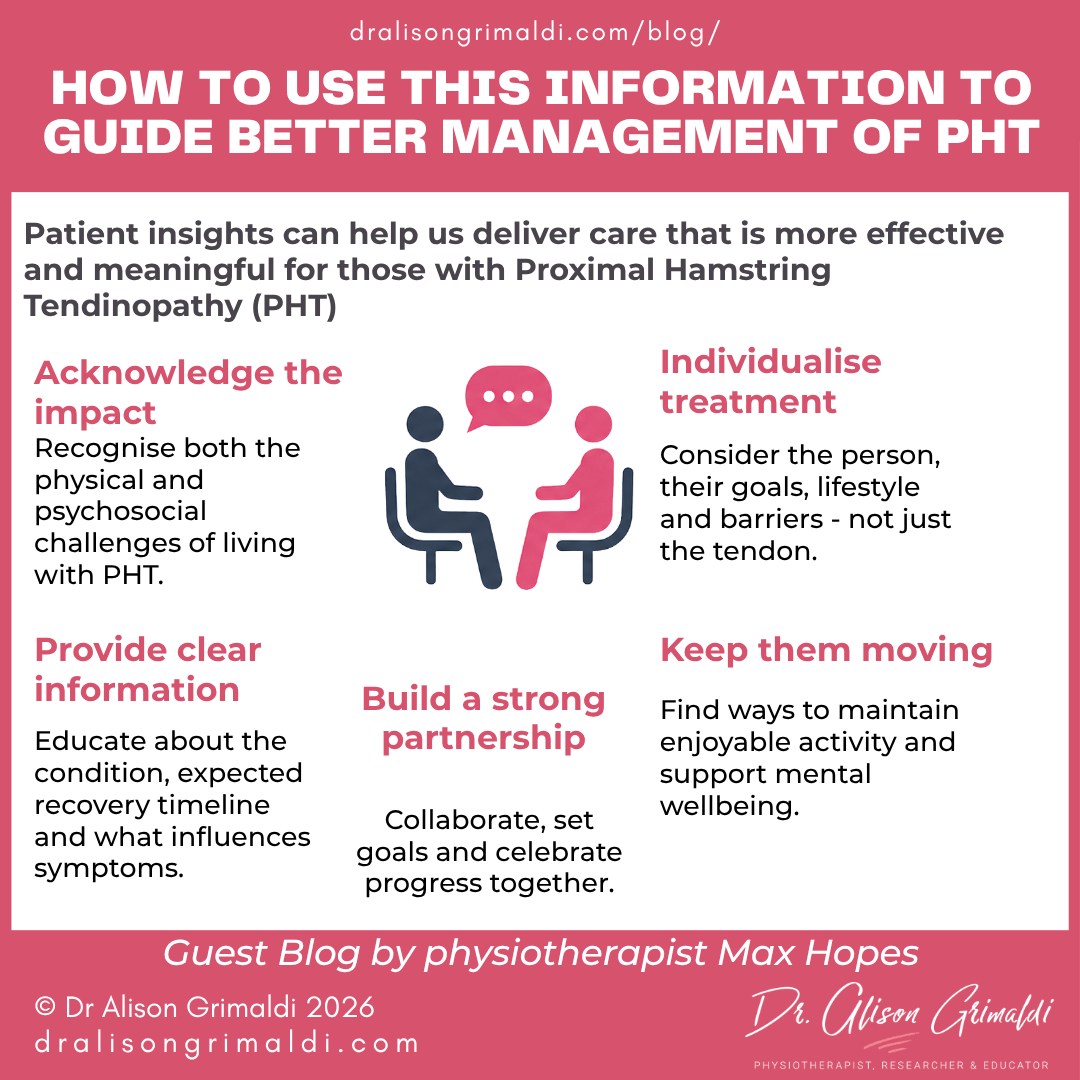
The first thing I want to highlight, is that having a deep understanding of the specific and multifaceted impacts of proximal hamstring tendinopathy is crucial in itself. As we have discussed, therapeutic alliance is key to achieving good outcomes. A central part of forming this rapport with patients is demonstrating empathy, where the patient feels “heard” and feels like they have found someone who truly understands what they’re going though. This is particularly pertinent given the fact that PHT is not a condition that is well understood by patient peer groups in most cases. Understanding the impacts of proximal hamstring tendinopathy discussed in this blog should help to guide patient history taking in PHT, helping clinicians to ask the right questions and appreciate the deeper psychosocial toll that the condition may be taking on patients.
Collaborative load management
If we discuss some of our interventions in PHT, such as load management and exercise rehabilitation – one thing that I would encourage is to involve your patient in the decision making.
With load management, we know that we should strive to keep patients going with their valued activities as much as we can, while still making meaningful enough changes to see progress with their symptoms. A clinician/patient co-design approach allows an open “negotiation” with the patient. I like to clearly educate the patient on the principles of load management, and get their input on two things.
First, how much risk they are willing to take – we can try maintaining a higher training load, but at higher risk of symptom flares, or we can be more conservative.
Second, how can we be smart about the types of training they’re doing and make modifications where possible – for example in a runner, it may be that they need to be strict about avoiding hills, and stay away from going faster than a specific pace per kilometre. In many cases, the patient may know their sport better than you do, and might have ideas for how load modifications could work once they understand the underlying principles. I also highlight that the process is trial-and-error, and we can tweak it as we go along.
Regarding exercise rehabilitation, we need to draw on broader lower limb tendinopathy literature as we don’t have a large volume of PHT-specific research. What we know is that lots of contrasting types of tendon-loading protocols have shown success. The time commitment and equipment required contrasts between programs. Again, I think we can openly discuss some different exercise approaches with the patient, highlight that the adherence is the absolutely crucial thing – and then negotiate which type of programming is most realistic for them.
The importance of education
As I’ve highlighted throughout this blog, ensuring that our interventions are underpinned by effective education is absolutely key – spending time on this early on in the treatment process will help to set the patient up for success. To close the blog off, I want to reiterate that because proximal hamstring tendinopathy is such a persistent and uncertain condition, patients really need a clinician in their corner. We need to guide them through the treatment process, provide reassurance when they’re having moments of doubt and keep them accountable and consistent with their exercise and load management plans.
Enjoying this kind of clinical content?
This is exactly the type of evidence-based discussion our members get access to inside Hip Academy — a community of clinicians staying current on hip and buttock pain through case discussions, masterclasses and a supportive Brains Trust of experienced peers. Max's live presentation on Proximal Hamstring Tendinopathy is now available in our recordings library where it has become one of many Masterclass recordings available to members.
This blog was written by Max Hopes (PhD Canditate)
Max is an osteopath, strength & conditioning coach, university lecturer and PhD researcher who has been in practice since 2012, working across the UK, Japan and Australia. For the last four years he has combined academic work with clinical practice. He has a special interest in working with runners who have persistent injuries — his PhD research focuses on proximal hamstring tendinopathy, and he enjoys helping people who have struggled with this stubborn condition, along with other running injuries.
Max's approach draws on a nuanced, in-depth knowledge of scientific research alongside 14 years of experience working with patients, providing targeted exercise rehabilitation programs, precise and individualised load management/return-to-run plans, and education that empowers people to self-manage. He prides himself on conducting thorough consultations and finding solutions for people who feel like they've tried everything.
A runner himself with a focus on marathon and half-marathon distances, Max always aims to keep people doing their activities as much as possible rather than telling them to rest or stop.
Max also recently presented his masterclass on this topic for members in Hip Academy (recordings now available for members!). If you'd like to benefit from the knowledge of the Hip Academy Brains Trust, get started today with a Hip Academy membership.
Check Out Some More Relevant Blogs
References
- Rich A, Ford J, Cook J, Hahne A. Physiotherapy Compared With Shockwave Therapy for the Treatment of Proximal Hamstring Tendinopathy: A Randomized Controlled Trial. Am J Sports Med. 2025;53(14):3396-407.
- Hopes M, Stubbs P, Grimaldi A, Nasser A. Lived Experiences of People With Lower Limb Tendinopathy – A Systematic Review With Qualitative Evidence Synthesis. Journal of Orthopaedic & Sports Physical Therapy. 2026;0:1-26.
- Lopes AD, Hespanhol Júnior LC, Yeung SS, Costa LO. What are the main running-related musculoskeletal injuries? A Systematic Review. Sports Med. 2012;42(10):891-905.
- Goom TS, Malliaras P, Reiman MP, Purdam CR. Proximal Hamstring Tendinopathy: Clinical Aspects of Assessment and Management. J Orthop Sports Phys Ther. 2016;46(6):483-93.
- Physio Knowledge. Tendon Compression: YouTube; 2019 [Available from: https://www.youtube.com/watch?v=Xbsc5aJ47iQ.
- Singh B, Olds T, Curtis R, Dumuid D, Virgara R, Watson A, et al. Effectiveness of physical activity interventions for improving depression, anxiety and distress: an overview of systematic reviews. Br J Sports Med. 2023;57(18):1203-9.
- Kinney M, Seider J, Beaty AF, Coughlin K, Dyal M, Clewley D. The impact of therapeutic alliance in physical therapy for chronic musculoskeletal pain: A systematic review of the literature. Physiother Theory Pract. 2020;36(8):886-98.
- Phillips R, Hilton C, Sousa Filho LF, Farlie M, Morrissey D, Malliaras P. Behaviour change and rehabilitation adherence in adults with tendinopathy: a scoping review. Disabil Rehabil. 2024;46(25):6021-33.
