
Proximal hamstring avulsion: when it is more than a hamstring strain
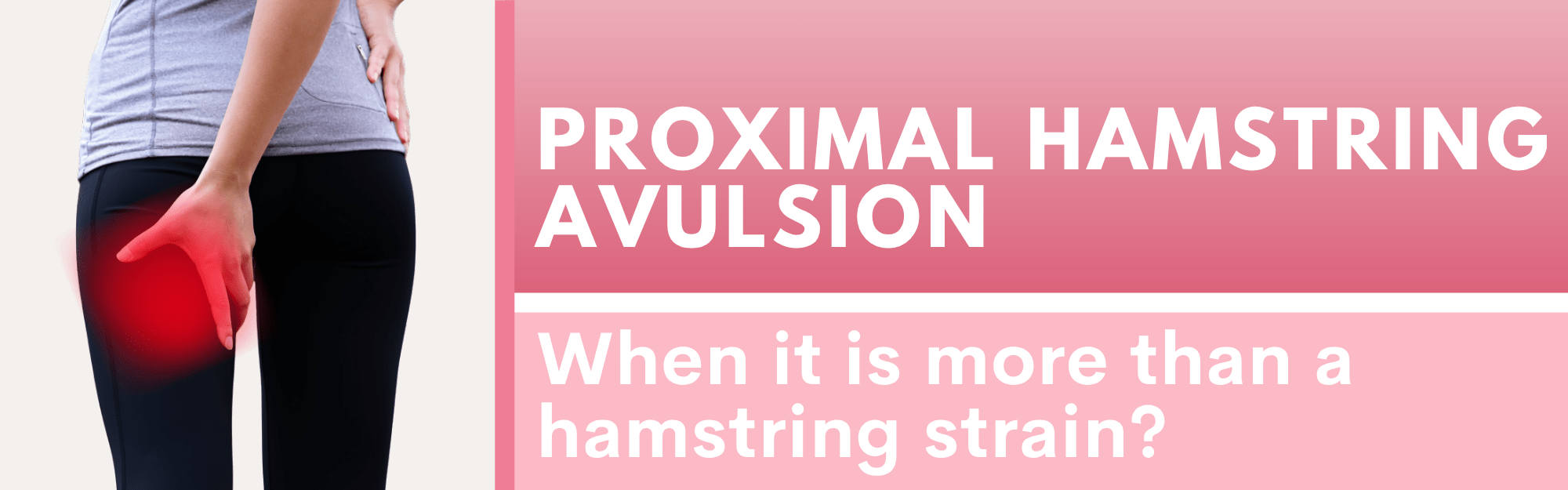
A hamstring "strain" isn't always just a strain. When a patient describes a sudden pop or tearing sensation in the back of the thigh or lower buttock, often after slipping, sprinting or overstretching, it's worth considering a proximal hamstring avulsion rather than a garden-variety muscle strain. This blog looks at how to distinguish bony avulsions from tendon avulsions, and unpacks the findings of the landmark PHACT trial, the first randomised comparison of surgical versus non-operative management for proximal hamstring avulsion.

Guest Post:
This month, we have our next guest blog from another of our Hip Academy members – Dr. Anthony Nasser, a research and teaching academic in physiotherapy at the University of Technology Sydney (UTS), specialising in complex hip and buttock pain conditions including proximal hamstring tendinopathy, gluteal tendinopathy and ischiofemoral impingement. Anthony has also presented a masterclass for our membership on this topic. You can read more about Anthony at the end of this blog, and find out more about Hip Academy and our masterclasses below.
This blog will cover the following topics:
- When should clinicians suspect a proximal hamstring avulsion?
- Is it a bony avulsion or a tendon avulsion?
- What does the highest-quality evidence tell us about management: surgery vs non-operative treatment?
- What was the primary outcome measure?
- What were the results?
- Does hamstring retraction matter?
- Final thoughts on the PHACT trial
When should clinicians suspect a proximal hamstring avulsion?
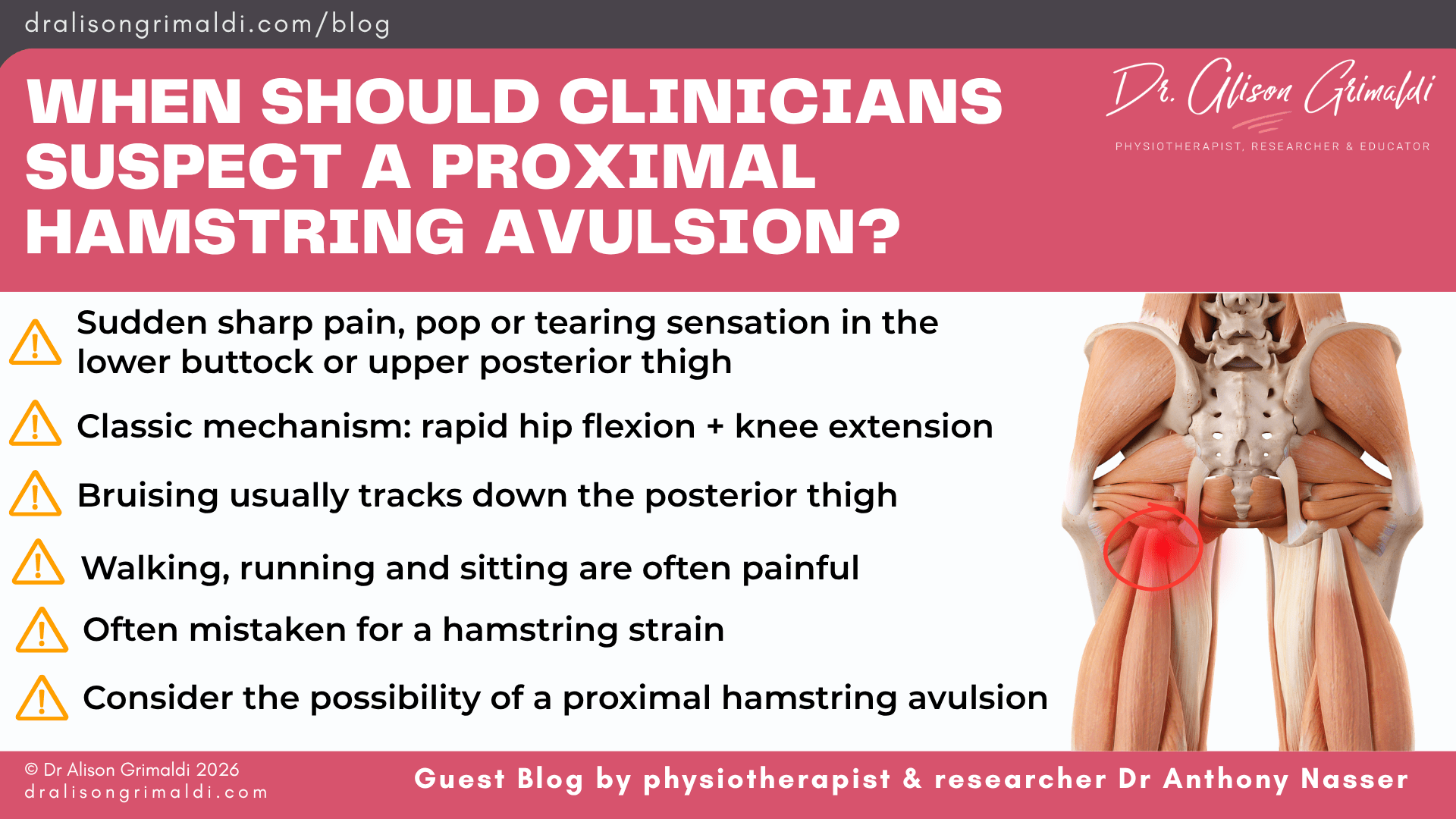
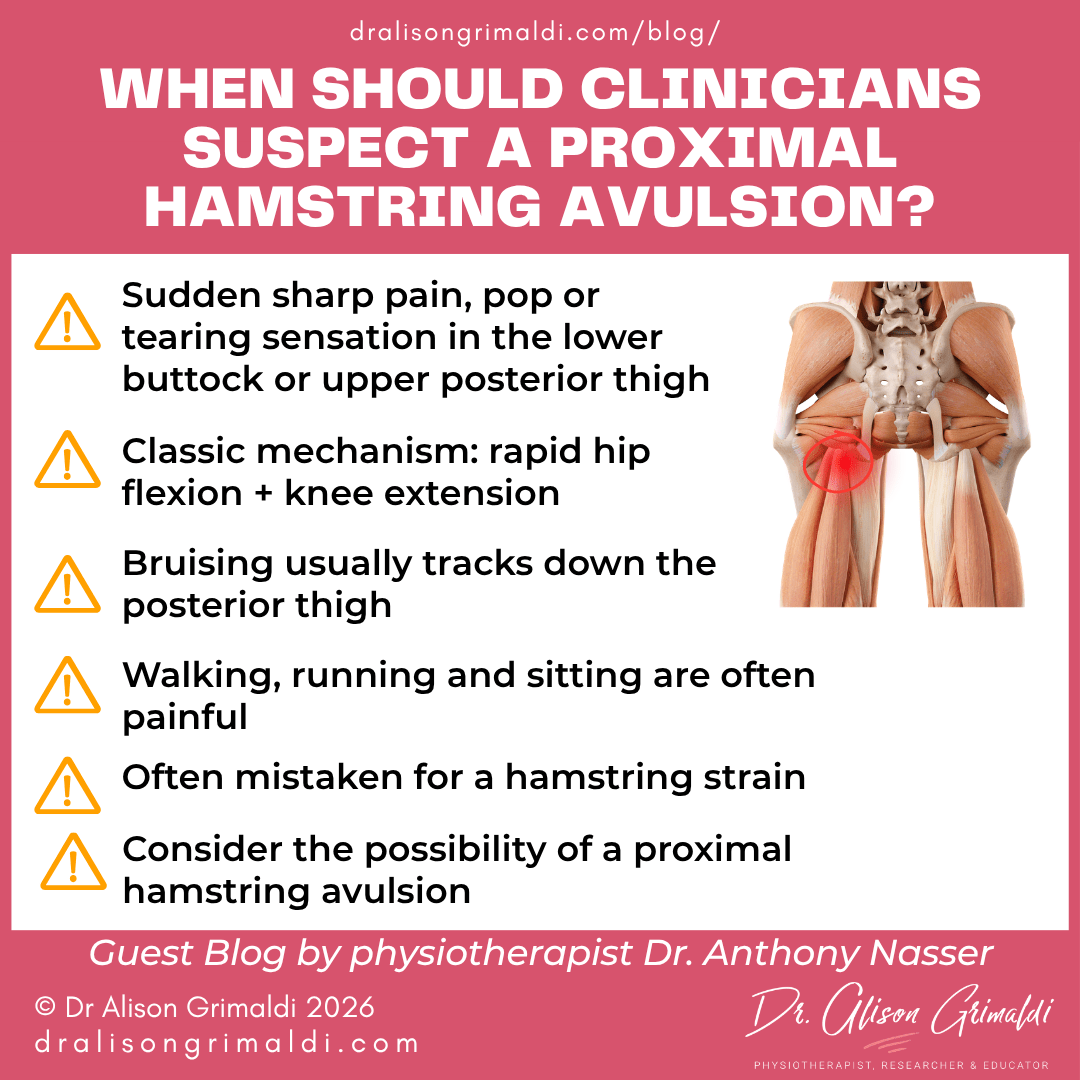
Patients may describe a sudden sharp pain, pop or tearing sensation in the lower buttock or upper posterior thigh. The classic mechanism involves rapid hip flexion combined with knee extension, such as slipping forward into a 'splits-type' position, overstretching during sport, sprinting or kicking. Walking, running and sitting are often painful, and often substantial bruising may track down the posterior thigh. While these symptoms are often attributed to a hamstring strain, clinicians should also consider the possibility of a proximal hamstring avulsion.

Want to go deeper on proximal hamstring tendinopathy and other complex hip and buttock presentations?
Anthony will be presenting live for Hip Academy on the topic of Proximal Hamstring Tendinopathy on 13th August. The recording will then be available for Hip Academy members, alongside a growing library of case-based discussions and clinical reasoning resources from our Brains Trust of experienced clinicians and researchers. Proximal Hamstring Tendinopathy is also covered in more depth in our Lateral Hip and Buttock Pain courses and workshops.
If you'd like to benefit from this knowledge, get started today with a Hip Academy membership.
Is proximal hamstring avulsion a bony avulsion or a tendon avulsion?
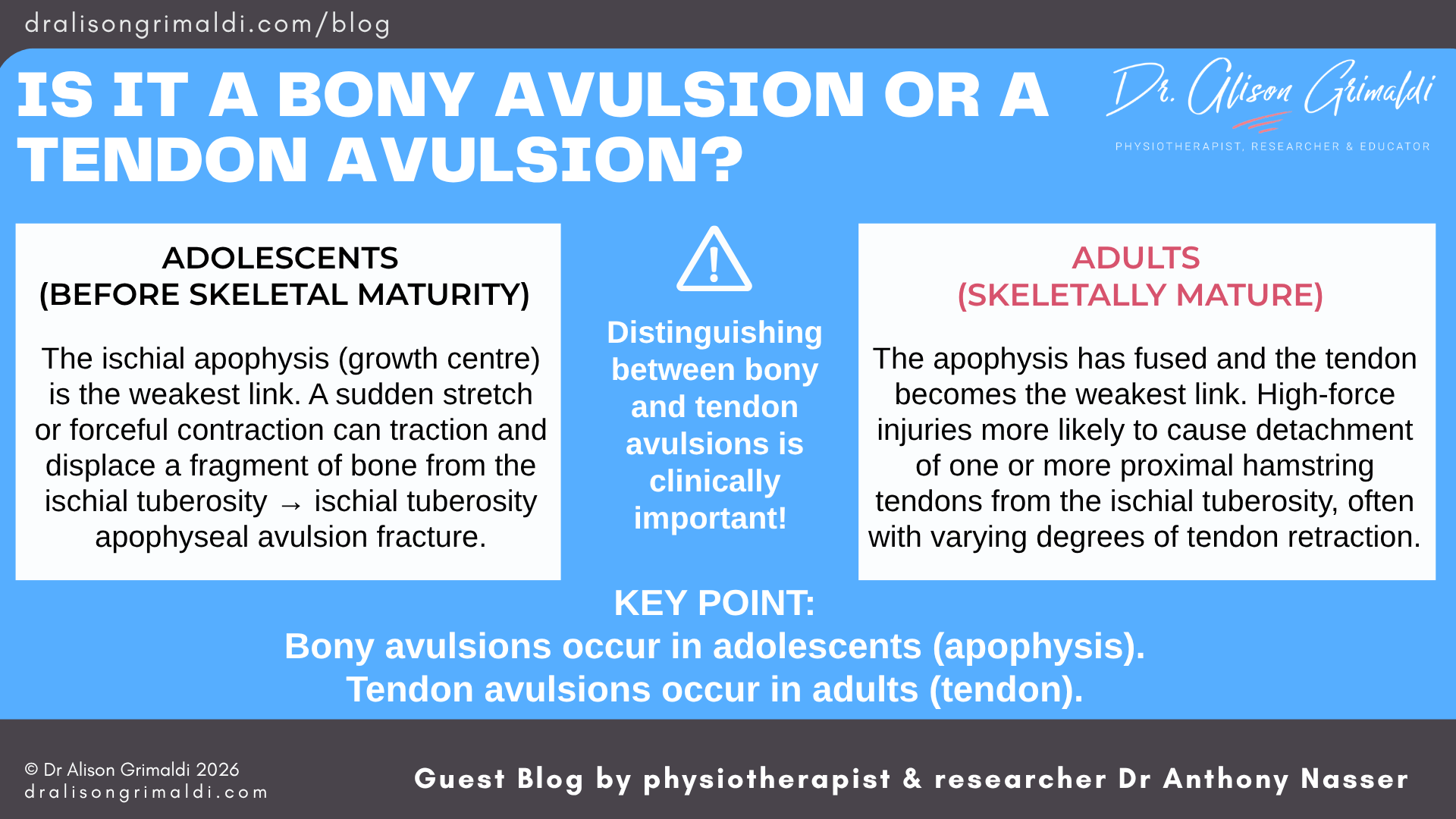
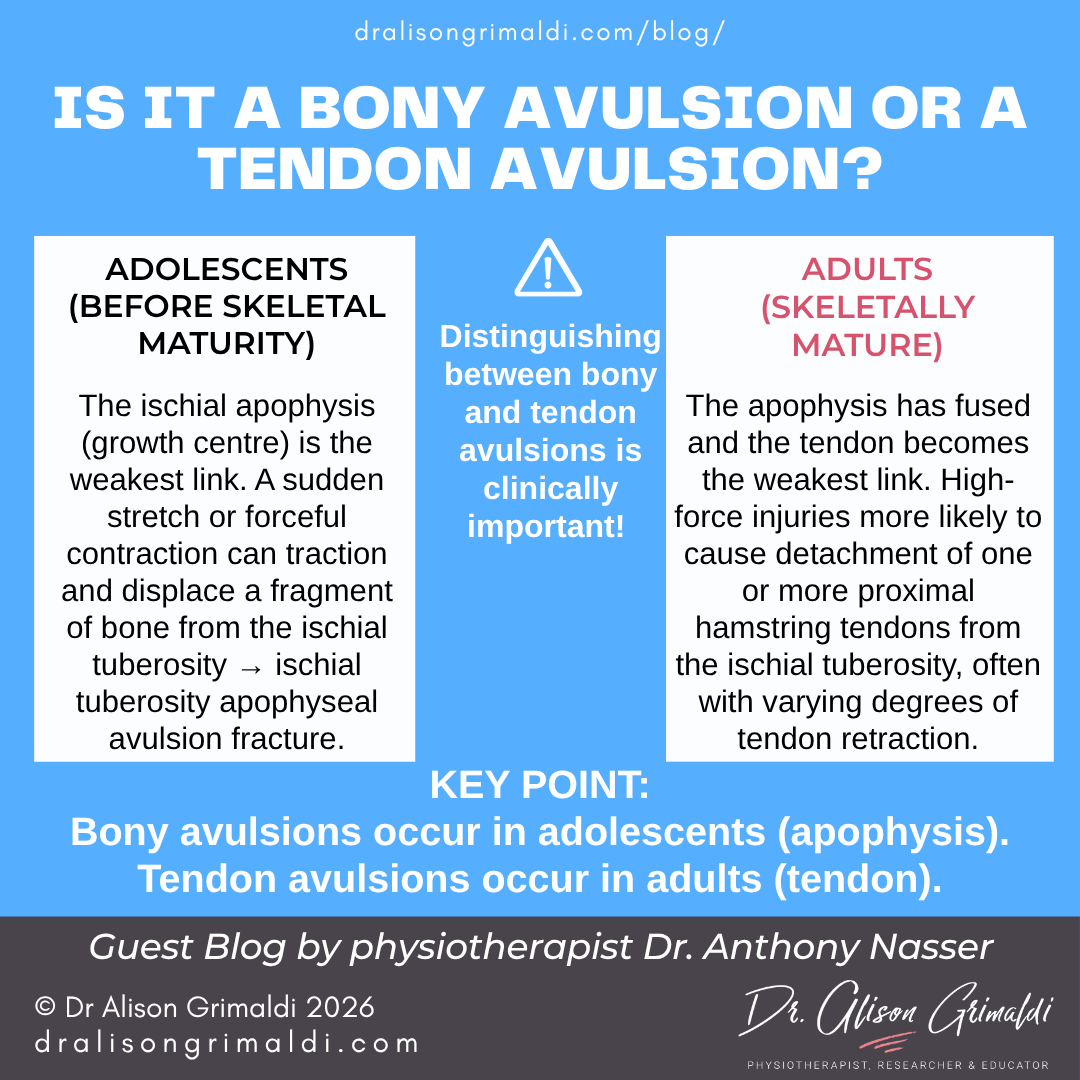
The term proximal hamstring avulsion can be somewhat misleading if used too broadly. In adolescents, the ischial apophysis is the weakest part of the muscle–tendon–bone unit. A sudden stretch or forceful hamstring contraction can displace a fragment of bone from the ischial tuberosity, resulting in an ischial tuberosity apophyseal avulsion fracture.
The ischial apophysis begins to ossify during early adolescence and typically fuses in early adulthood, although some variation exists. Before fusion, the apophysis remains more vulnerable than the hamstring tendon. This principle extends beyond acute avulsion injuries. Growth plates and apophyses generally mature and fuse from distal to proximal, meaning clinicians tend to see different traction apophysitis conditions at different ages (Oxendale et al. 2025).
Younger athletes commonly present with calcaneal apophysitis (Sever disease), followed by tibial tubercle apophysitis (Osgood–Schlatter disease) and inferior patellar pole apophysitis (Sinding-Larsen-Johansson syndrome), while pelvic apophyseal disorders such as ischial apophysitis typically occur later during adolescence/early adulthood and the pubic apophysis does not fully fuse until 20-25 years of age (Koh et al. 2029). Once skeletal maturity is reached and the apophysis has fused, the tendon often becomes the weakest link, which may help explain why proximal hamstring tendinopathy predominates in adults.
In skeletally mature adults, the apophysis has fused and the tendon becomes the weakest link in the muscle–tendon–bone unit. As a result, high-force injuries are more likely to cause detachment of one or more proximal hamstring tendons from the ischial tuberosity, often with varying degrees of tendon retraction. Distinguishing between a bony avulsion and a tendon avulsion is clinically important because imaging requirements, management pathways and surgical indications differ.
What does the highest-quality evidence tell us about management of proximal hamstring avulsion: surgery vs non-operative treatment?
For many years, clinicians considered surgery the preferred treatment for complete proximal hamstring avulsions. This belief has largely originated from observational studies, case series and expert opinion. The publication of the Proximal Hamstring Avulsion Clinical Trial (PHACT) in 2024 challenged this long-held assumption and provided the first randomised comparison of surgical and non-operative management.
The trial enrolled 119 participants with a mean age of 54 years, 60% of whom were women. Most injuries occurred during sport (54%) or following a slip or fall (31%). Although eligibility required complete avulsion of at least two proximal hamstring tendons, approximately 97% of participants sustained complete avulsion of all three tendons. Average tendon retraction was 5 cm, and 90% had retraction of at least 2 cm. These were substantial injuries that many surgeons would traditionally regard as strong indications for surgical repair. Importantly, however, the study population consisted primarily of middle-aged, recreationally active adults rather than young elite athletes.
What was the primary outcome measure?
You may not have heard of the PHAT, which is the abbreviation for the Perth Hamstring Assessment Tool (PHAT), a patient-reported outcome measure developed specifically to evaluate outcomes following proximal hamstring re-attachment surgery (Blakeney et al. 2016). It provides a score from 0 to 100, with higher scores indicating better function and fewer symptoms. The questionnaire assesses hamstring-related pain (e.g., sitting, striding out and resting), the length of time an individual can perform activities without pain (sitting, driving and running), current activity level, and local tenderness.
What were the results?
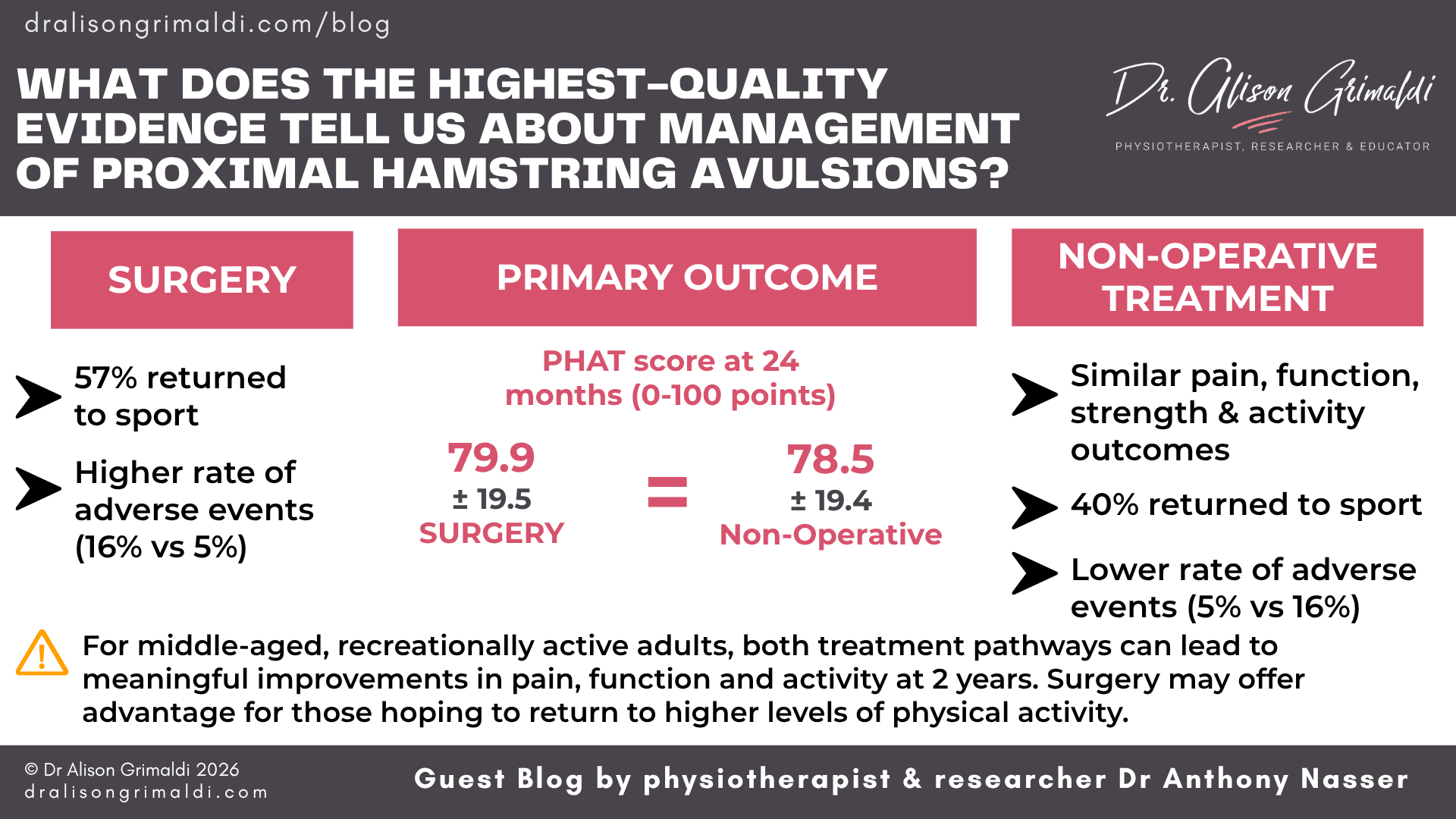
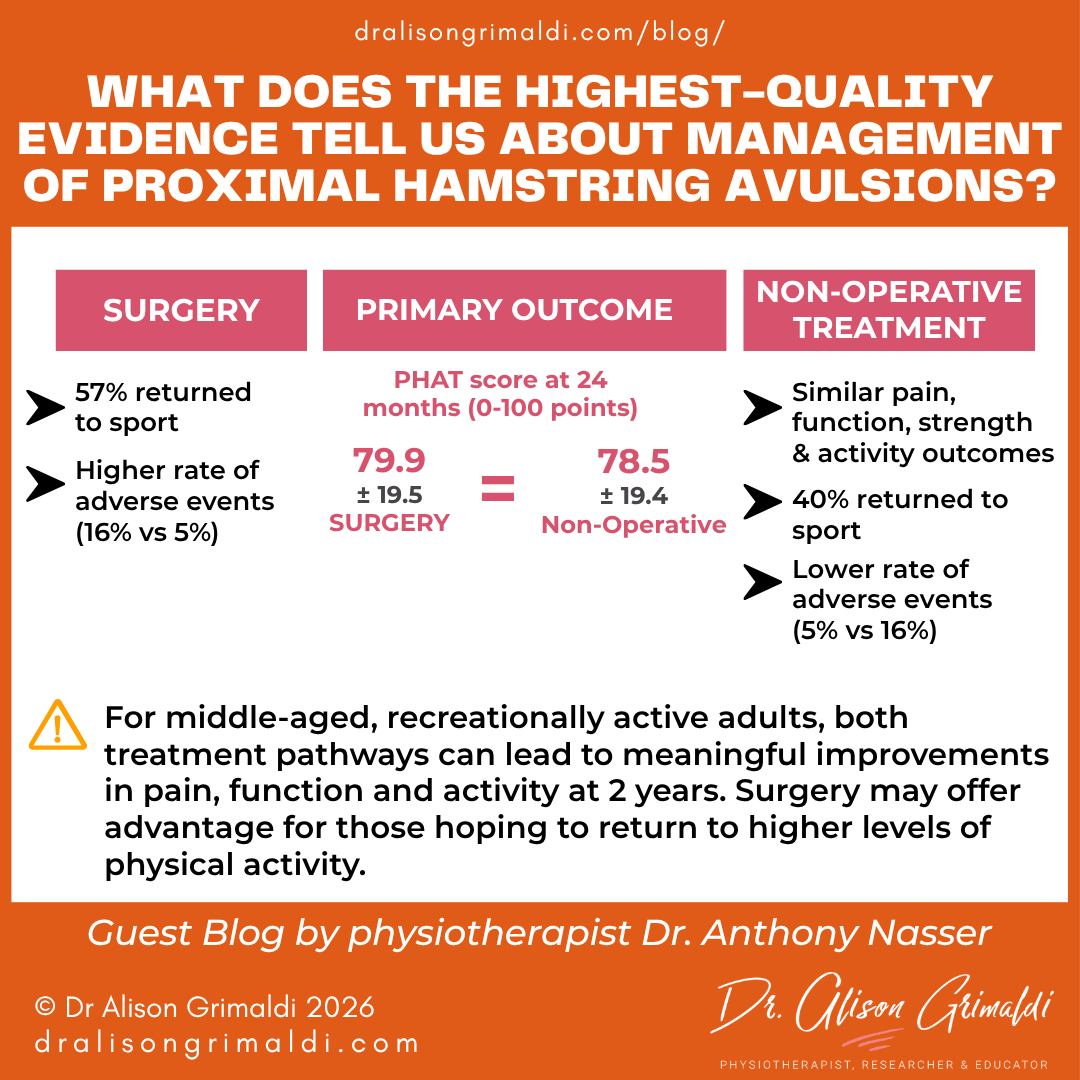
At two years after injury, patients treated without surgery reported similar levels of pain, function, physical activity and overall recovery compared with those who underwent surgical repair. The primary outcome measure, the Perth Hamstring Assessment Tool (PHAT), showed virtually identical scores between groups, demonstrating that non-operative treatment was not inferior to surgery (79.9 ± 19.5 vs 78.5 ± 19.4). Notably, both groups remained below their recalled baseline pre-injury PHAT scores at 24 months, suggesting that many participants continued to experience some ongoing limitations. These results are summarised in the Table 1 below.
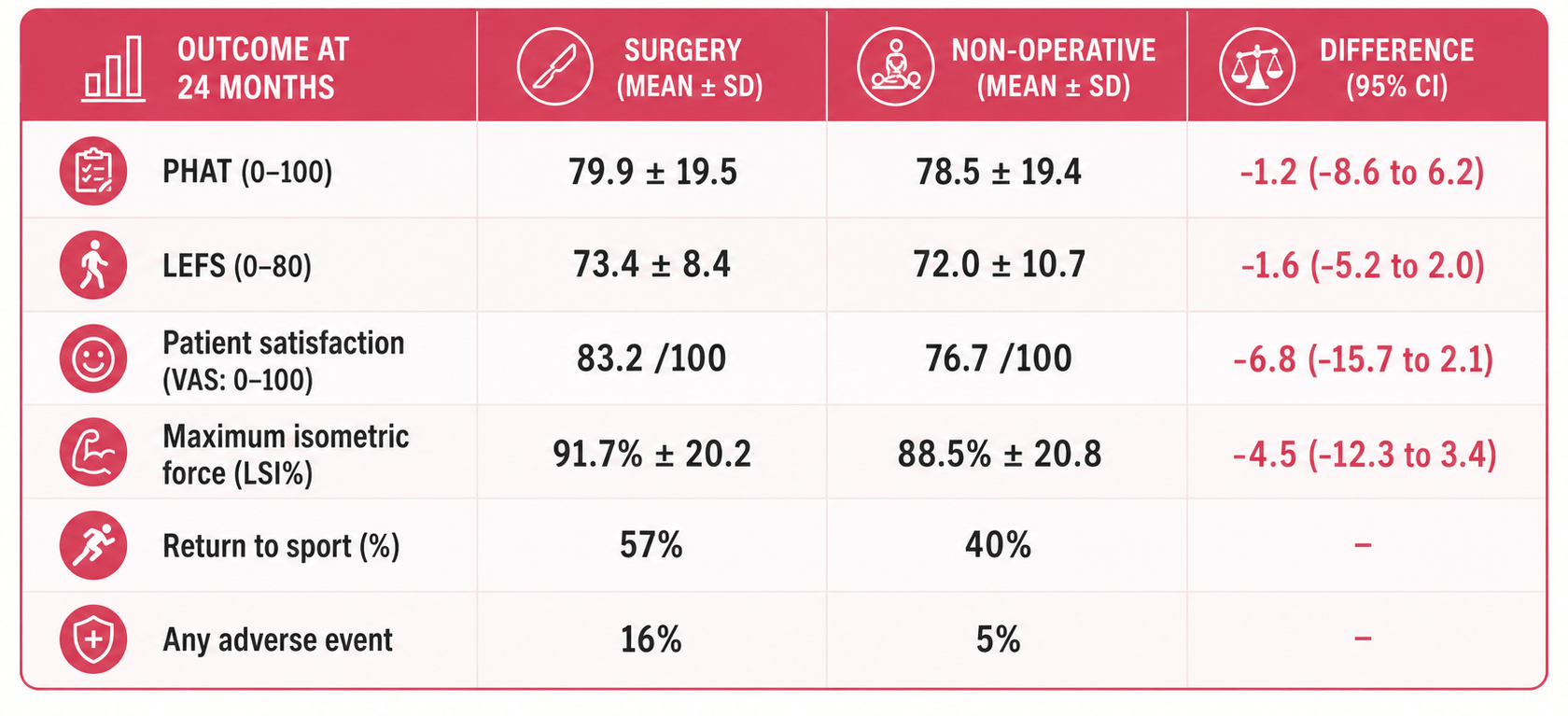
The study also found no meaningful differences between groups in lower limb function, strength testing, hopping performance, patient satisfaction. There were, however, some notable differences. A greater proportion of surgically treated patients reported a full return to sport (57% versus 40%), suggesting surgery may offer some advantage for individuals hoping to return to higher levels of athletic activity. At the same time, surgery was associated with a higher rate of adverse events, including infection, deep vein thrombosis and nerve-related complications.
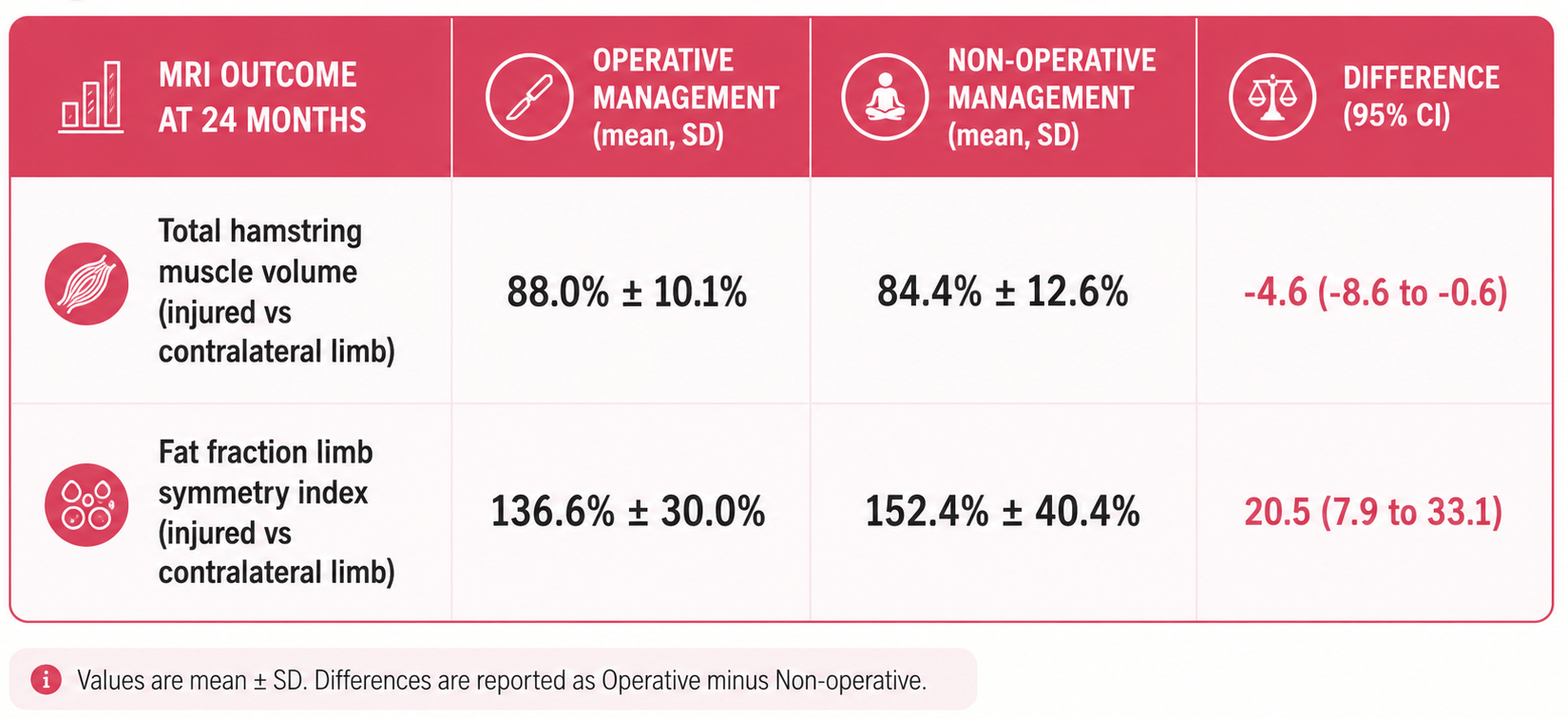
At 24 months, MRI demonstrated persistent structural changes within the injured hamstrings regardless of treatment. Patients treated operatively showed slightly greater preservation of hamstring muscle volume than those treated non-operatively (88.0% vs 84.4% of the contralateral limb), although both groups demonstrated substantial muscle loss. Fat infiltration increased in the injured hamstrings in both groups, but was significantly lower following operative treatment.
The injured hamstrings contained approximately 37% more intramuscular fat in the operative group and 52% more intramuscular fat in the non-operative group compared with the uninjured side. Despite these morphological differences, there were no meaningful between-group differences in patient-reported function, physical activity levels, or strength outcomes at 24 months. Whether the observed differences in muscle morphology would become clinically relevant in younger or elite athletic populations remains uncertain.
Does hamstring retraction matter?
After a proximal hamstring avulsion, the torn tendon often recoils away from the bone, much like a released elastic band. The distance between the tendon and its original attachment is known as tendon retraction. It is typically measured on MRI as the distance between the avulsed tendon stump and its origin at the ischial tuberosity. It is often categorised according to somewhat arbitrary thresholds (e.g. <2 cm, 2–5 cm, >5 cm).
A secondary analysis from the Proximal Hamstring Avulsion Clinical Trial (PHACT) explored one of the most common questions surrounding proximal hamstring avulsions: does tendon retraction really matter, and does it impact muscle quality? Focusing on the non-operatively managed cohort, the investigators quantified lean muscle volume (muscle tissue after accounting for fat infiltration) and muscle fat fraction at 24 months.
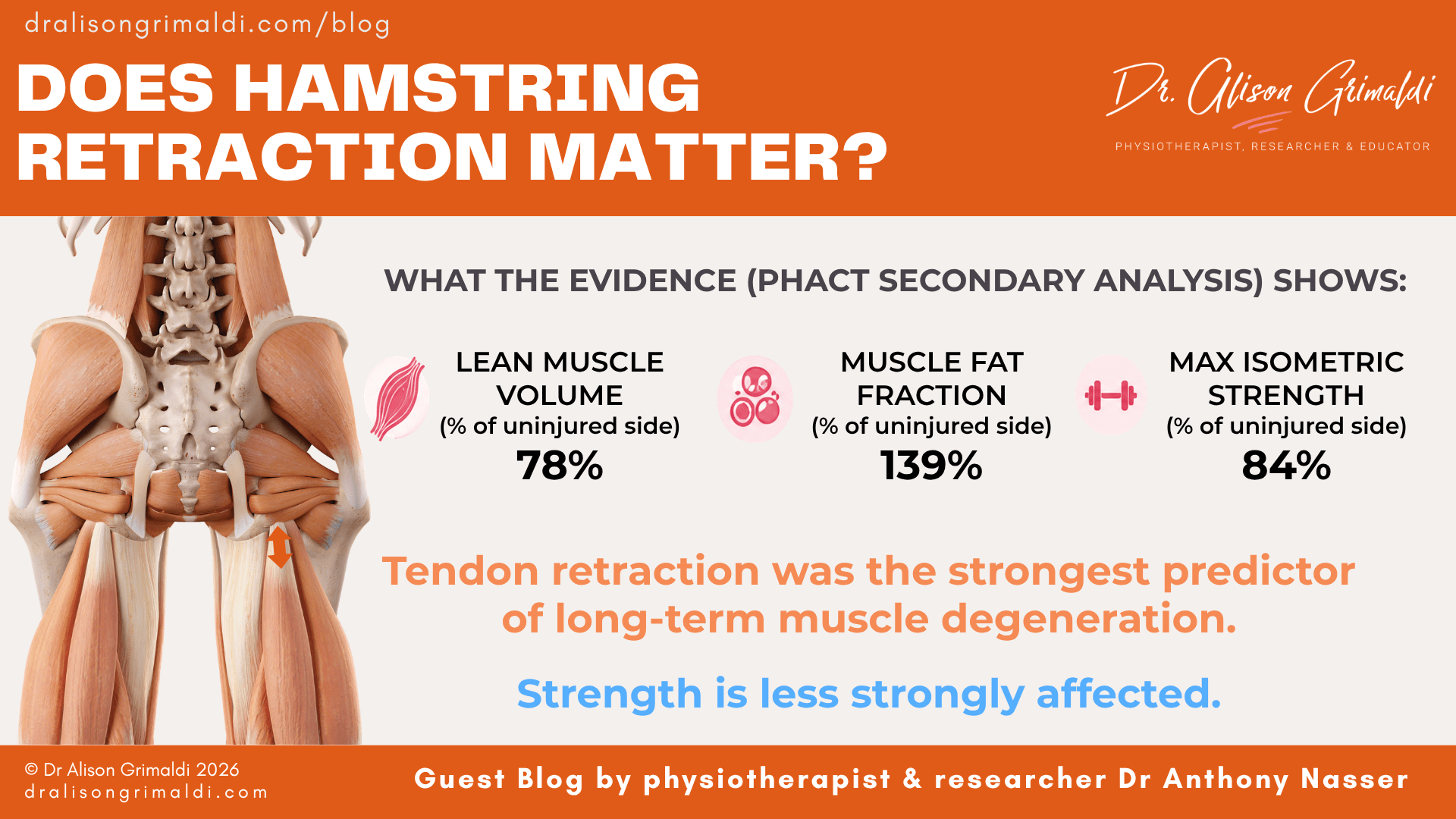
The injured limb demonstrated a median lean muscle volume of 78% of the uninjured side, a muscle fat fraction of 139% of the uninjured side and a maximum isometric strength of 84% of the uninjured side, indicating persistent structural and functional deficits following non-operative management.
Tendon retraction emerged as the strongest predictor of long-term muscle degeneration. Greater retraction on the initial MRI was independently associated with lower lean muscle volume and higher intramuscular fat infiltration at 24 months. The multivariable model explained approximately 48% of the variance in both lean muscle volume and muscle fat fraction asymmetry, with tendon retraction contributing more strongly than age, sex, BMI or haematoma size.
The relationship between tendon retraction and strength was less pronounced. Although greater retraction was associated with lower limb symmetry indices for maximal isometric force, correlations were only moderate. This suggests that structural degeneration and functional recovery are related but distinct processes, with recovery of strength likely influenced by neuromuscular adaptation, rehabilitation and compensation from synergistic muscle groups.
Enjoying this kind of clinical content?
This is exactly the type of evidence-based discussion our members get access to inside Hip Academy — a community of clinicians staying current on hip and buttock pain through case discussions, masterclasses and a supportive Brains Trust of experienced peers. Anthony's live presentation on Proximal Hamstring Tendinopathy on the 13th August will be recorded and become one of many Masterclass recordings available to members.
Final thoughts on the PHACT trial
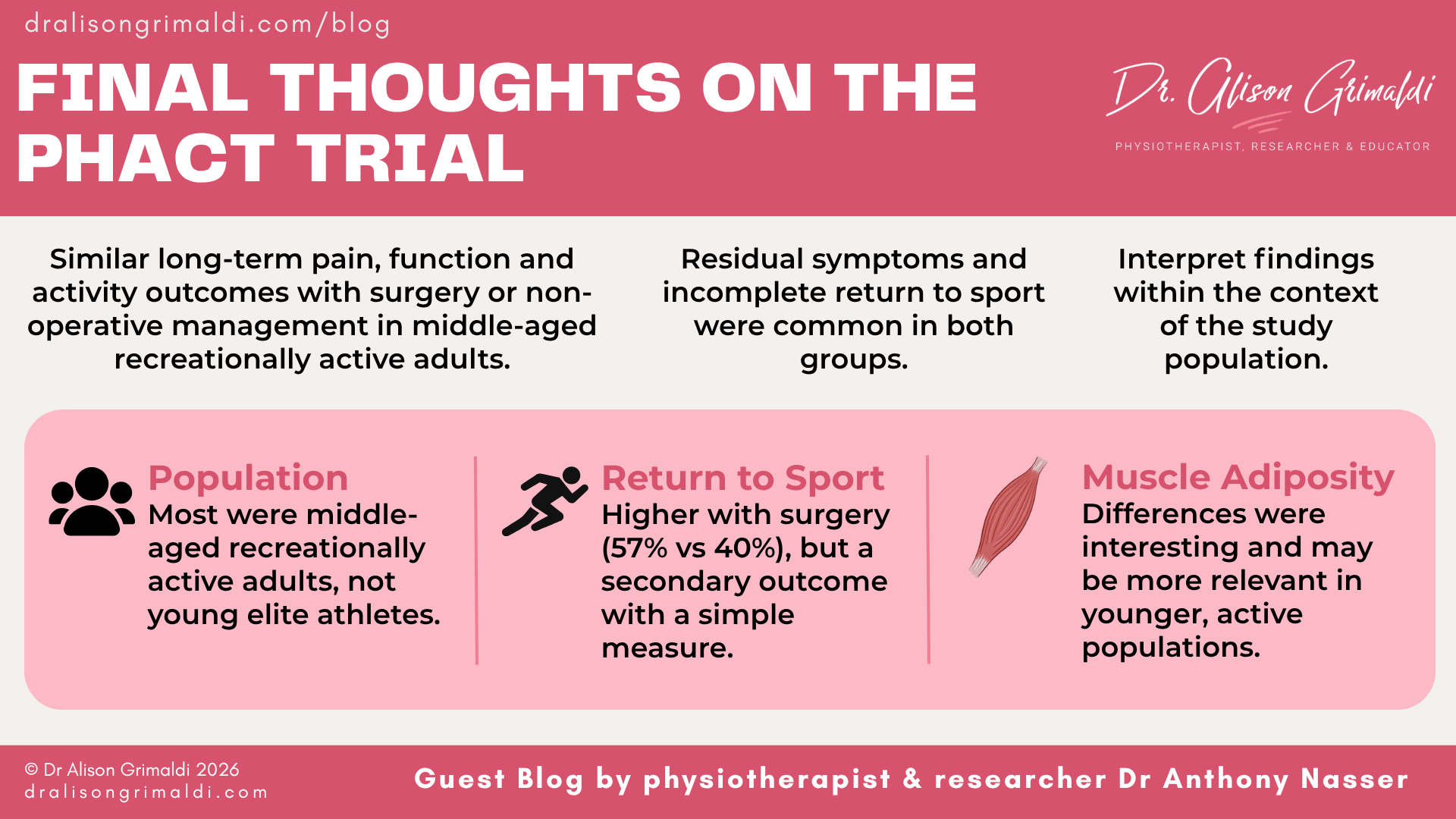
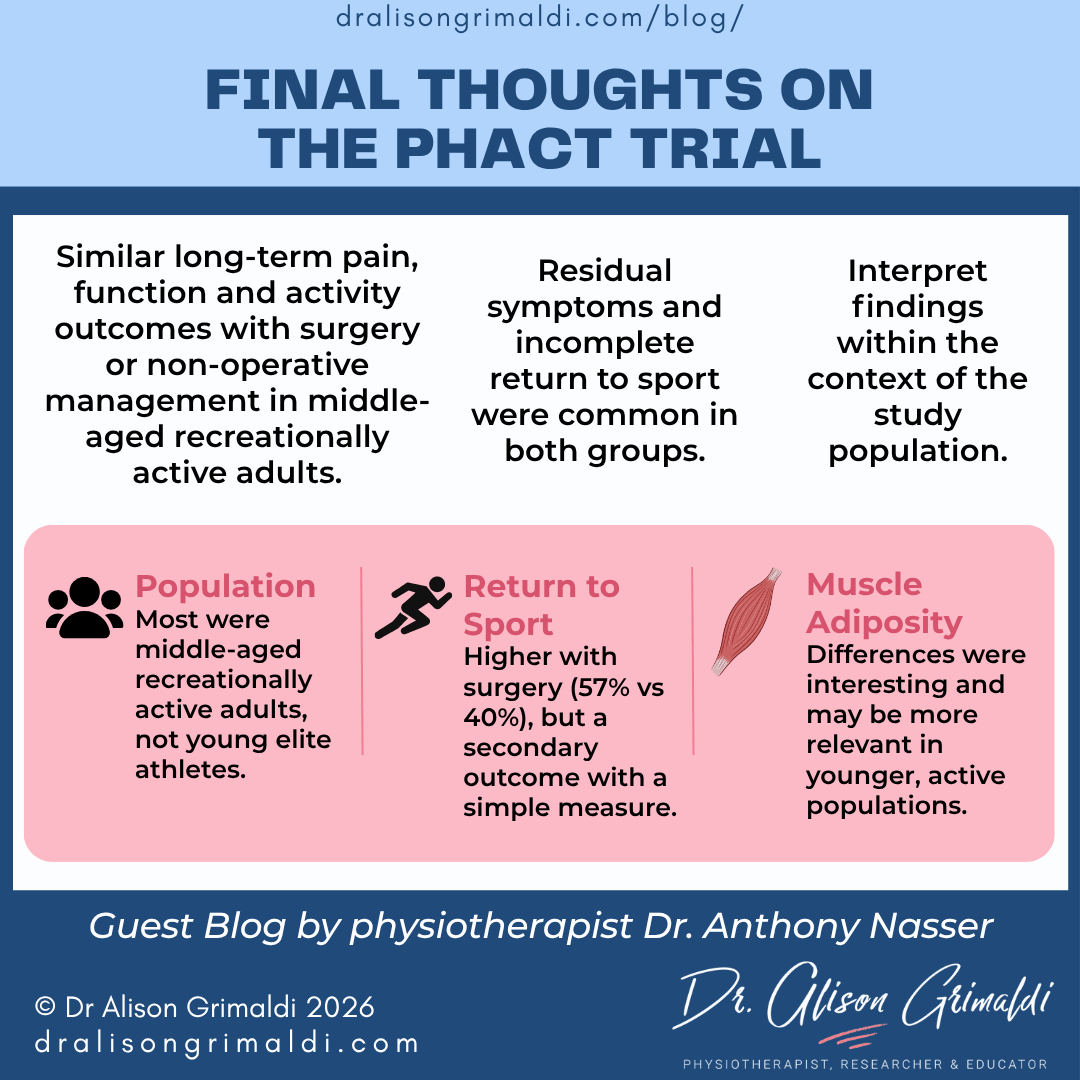
The findings suggest that middle-aged recreationally active adults with significant proximal hamstring avulsions can achieve similar long-term pain, function and activity outcomes with either surgical or non-operative management. However, residual symptoms and incomplete return to sport were common in both groups.
The mean participant age and activity profile should be considered when interpreting these findings. Most participants were middle-aged recreationally active adults rather than young elite athletes. I am also cautious about placing too much emphasis on the higher return-to-sport rate reported in the surgical group. Return to sport was a secondary outcome, was assessed using a relatively simple measure, and the study was not specifically designed to detect differences in sporting outcomes. I found the differences in muscle adiposity between groups interesting and something worth considering, particular in younger active populations, although it didn’t seem to make a difference in patient reported outcomes.

This blog was written by Dr. Anthony Nasser
Anthony is a research and teaching academic in physiotherapy at the University of Technology Sydney (UTS), with over 15 years of clinical experience and a particular focus on complex hip and buttock pain conditions such as proximal hamstring tendinopathy, gluteal tendinopathy and ischiofemoral impingement. He is a titled Sports and Exercise Physiotherapist with the Australian Physiotherapy Association (APA).
Anthony transitioned to academia following a diverse career in musculoskeletal and sports physiotherapy, and his research is dedicated to improving diagnosis, management and rehabilitation outcomes for hip and buttock conditions. He also leads curriculum initiatives at UTS and won a 2023 Australian Awards for University Teaching for his contributions to student learning.
Anthony is also a Hip Academy member, presenting his masterclass on this topic for members (recording available for members after the live event on August 13). If you'd like to benefit from the knowledge of the Hip Academy Brains Trust, get started today with a Hip Academy membership.
Check Out Some More Relevant Blogs



References
- Oxendale C, Green M, Stokes K, et al. Distal-to-proximal progression of apophyseal injuries with age in male youth academy footballers: a two-season prospective cohort study of 16,024 player-seasons. British Journal of Sports Medicine 2025;59:1663-1669.
- Koh E, Boyle J. Pubic apophysitis in elite Australian Rules football players: MRI findings and the utility of VIBE sequences in evaluating athletes with groin pain. Clin Radiol. 2020 Apr;75(4):293-301. doi: 10.1016/j.crad.2019.12.022. Epub 2020 Feb 1. PMID: 32019672.
- Blakeney WG, Zilko SR, Edmonston SJ, Schupp NE, Annear PT. Proximal hamstring tendon avulsion surgery: evaluation of the Perth Hamstring Assessment Tool. Knee Surg Sports Traumatol Arthrosc. 2017 Jun;25(6):1936-1942. doi: 10.1007/s00167-016-4214-y. Epub 2016 Jun 25. PMID: 27344550.
- Pihl E, Laszlo S, Rosenlund AM, Kristoffersen MH, Schilcher J, Hedbeck CJ, Skorpil M, Micoli C, Eklund M, Sköldenberg O, Frihagen F, Jonsson KB, for the PHACT group. Operative versus Nonoperative Treatment of Proximal Hamstring Avulsions. NEJM Evidence. 2024;3(8). doi:10.1056/EVIDoa2400056.
- Laszlo S, Rosenlund AM, Pihl E, et al. Initial Tendon Retraction is Associated with Muscle Degeneration After Nonoperatively Treated Proximal Hamstring Avulsions. Sports Medicine - Open. 2026;12:52.
